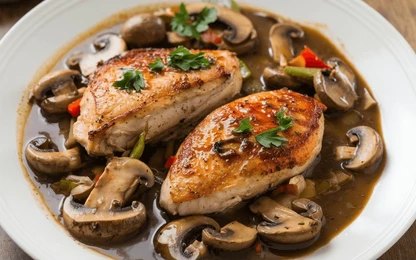
There are dishes that simply captivate the palate and etch themselves into culinary memory. Chicken Marsala is undeniably one of them. This Italian-American classic, celebrated for its golden, crispy chicken cutlets enveloped in a rich, velvety Marsala wine sauce, offers a perfect blend of comfort and luxury. It’s a testament to the magic that happens when simple, quality ingredients are transformed into something truly extraordinary. Beloved in restaurants across the United States and beyond, Chicken Marsala has earned its place as a staple, proving that a dish can be both midweek-fast and utterly restaurant-worthy, all while remaining surprisingly economical.
For many, a single bite is all it takes to be "hooked for life." This culinary gem, essentially a delightful variation of traditional Italian scaloppine dishes, takes thin chicken cutlets, lightly coats them in flour, and pan-fries them to a beautiful golden crisp. The real star, however, is the captivating sauce, infused with the distinctive flavor of Marsala, a fortified Italian wine that is truly a secret weapon in the kitchen. The result is a symphony of savory notes, a touch of woody nuttiness, and an underlying sweetness that elevates the humble chicken to gourmet status, especially when finished with a whisper of cream.
The Allure of Chicken Marsala: A Culinary Journey
The story of Chicken Marsala is one of delicious fusion. Born from the harmonious blending of classic Italian cooking techniques with American tastes and readily available ingredients, it stands as a shining example of Italian-American cuisine. Unlike some dishes that remain strictly regional, Chicken Marsala transcended its origins to become a universal favorite, gracing dinner tables and restaurant menus alike. Its appeal lies in its sophisticated flavor profile, which manages to be both deeply comforting and elegantly refined. It's the kind of meal that feels special enough for a celebration, yet can be effortlessly prepared for a weeknight family dinner.
At its heart, Chicken Marsala is a dish that celebrates texture and depth. The initial pan-frying of the chicken creates a delicate crust that locks in moisture, ensuring each bite is juicy and tender. This crisp exterior then provides a delightful contrast to the smooth, rich sauce that generously coats it. This sauce, an alchemy of savory chicken stock, aromatic shallots, and the star ingredient—Marsala wine—develops an unparalleled complexity. It’s often described as having the multifaceted character of adding stock, honey, vinegar, and even a touch of Worcestershire sauce, all with its unique nutty essence. This interplay of flavors creates a memorable experience, making it clear why Chicken Marsala remains a perennial favorite.
Unlocking the Magic: The Role of Marsala Wine
Without Marsala wine, Chicken Marsala simply wouldn't be the same. This unique fortified wine, hailing from the Marsala region of Sicily, Italy, is the cornerstone of the dish’s distinctive flavor. Similar to port, sherry, or madeira, Marsala undergoes a fortification process that contributes to its rich, complex, and often nutty flavor profile. For savory dishes like Chicken Marsala, it is absolutely crucial to select a dry Marsala, as opposed to sweet Marsala, which is typically reserved for desserts. The dry variety imparts a deeper, more savory character, balancing the dish without making it overly sweet.
The true genius of Marsala wine in this context lies in its ability to transform a simple sauce into something extraordinary. When simmered rapidly, the alcohol cooks out, leaving behind only its incredible flavor compounds. This process concentrates the wine's essence, imparting a profound depth and complexity that no other single ingredient can replicate. It introduces notes that are at once sweet, savory, and subtly woody, complementing the chicken beautifully. You don't need to break the bank for a premium bottle; many liquor stores offer quality dry Marsala for around $10-20, and a bottle will last "forever" in your pantry, proving useful for other dishes requiring fortified wine. Should you find yourself without Marsala, suitable substitutes include port wine, sherry, or madeira. However, for a truly authentic experience, Marsala is irreplaceable. It’s important to note that while the alcohol content is significantly reduced through cooking, the robust flavor remains, making this a dish often considered for "grown-ups" due to its rich wine presence. For those seeking a non-alcoholic alternative, dishes like Chicken with Creamy Mushroom Sauce can offer a similar comforting experience, but without the unique Marsala depth.
Beyond the Wine: Essential Ingredients and Preparation Tips
While Marsala wine is the undeniable star, the supporting cast of ingredients and careful preparation are what truly make Chicken Marsala shine. Understanding each component's role ensures you can recreate this restaurant-quality dish in your own kitchen with confidence.
The Chicken: Thin and Tender
- Chicken Breast: Typically, two large chicken breasts are horizontally split to create four thinner cutlets. This ensures even cooking and allows the chicken to absorb the sauce beautifully.
- Pounding: For perfectly tender and uniformly cooked chicken, it’s often beneficial to gently pound the chicken cutlets to an even thickness (about ¼ to ½ inch). This also helps them cook faster and brown more consistently.
- Substitutes: Boneless chicken thighs can be used for a richer flavor and even more tender result, though cooking times may vary slightly.
- Flour Dredging: A light coating of flour before pan-frying serves two critical purposes: it helps create that desirable crispy, golden exterior on the chicken, and it acts as a thickening agent for the sauce, giving it body and a luxurious mouthfeel.
The Flavorful Sauce Base
- Chicken Stock/Broth: This provides the savory foundation for the sauce. Without it, the sauce would lack depth and richness. Opt for a good quality low-sodium stock to control the overall seasoning.
- Aromatics: Eschalots (known as shallots in the US) are highly recommended for this dish. Their milder, sweeter flavor profile is more delicate than regular onions and contributes subtly without overpowering the Marsala.
- Cream: A splash of heavy cream at the end adds a touch of luxuriousness and velvety texture to the sauce, binding all the flavors together beautifully. While cream isn't the primary ingredient, it elevates the dish significantly. For a slightly lighter option, evaporated milk can be substituted; however, expect a less creamy texture though the Marsala flavor will still be prominent.
- Optional Additions: While not always in traditional recipes, sliced fresh mushrooms (like cremini or button) are a very popular and delicious addition, often sautéed with the shallots before adding the wine and stock.
When cooking, ensure your pan is adequately hot to get a good sear on the chicken, creating that desirable crispy crust. Deglazing the pan after cooking the chicken and aromatics is also key; the browned bits (fond) left at the bottom are packed with flavor and should be scraped up and incorporated into the sauce. This simple step contributes immense depth to the finished dish.
Crafting Your Own Masterpiece: Tips for Success
Transforming these ingredients into a stunning Chicken Marsala is an achievable feat for any home cook. Here are some actionable tips to ensure your dish is nothing short of spectacular:
- Prep is Key: Have all your ingredients measured and ready before you start cooking. This "mise en place" approach makes the process smooth and enjoyable, preventing any frantic searching mid-cook.
- Even Pounding: As mentioned, uniformly thin chicken cutlets (about 1/4 to 1/2 inch) are vital for consistent cooking and tenderness. Use a meat mallet or the bottom of a heavy pan, placing chicken between two pieces of plastic wrap to keep things tidy.
- Don't Crowd the Pan: Cook the chicken in batches if necessary. Overcrowding lowers the pan's temperature, leading to steamed rather than beautifully seared chicken. You want that golden, crispy exterior!
- Deglaze for Flavor: After the chicken is cooked and removed, use a splash of the Marsala wine or chicken stock to scrape up all the flavorful browned bits from the bottom of the pan. This is where a significant amount of the dish's depth comes from.
- Simmer Down: Allow the Marsala wine to simmer vigorously for a few minutes after adding it to the pan. This crucial step burns off the alcohol, leaving behind only the rich, complex flavors. Don't rush it!
- Taste and Adjust: Before serving, always taste your sauce. Adjust seasoning with salt and freshly ground black pepper as needed. A tiny pinch of sugar can sometimes balance the acidity if it feels too sharp, though usually the Marsala itself provides enough balance.
Once your Chicken Marsala is ready, consider how you’ll serve it. It pairs wonderfully with classic accompaniments like creamy mashed potatoes, al dente pasta (such as fettuccine or linguine), fluffy rice, or even simple crusty bread to sop up every last drop of that incredible sauce. A side of steamed green beans or asparagus can add a welcome freshness to balance the richness. For more insights on pairing and variations, you might enjoy exploring Chicken Marsala - Article 2 and Chicken Marsala - Article 3.
Chicken Marsala is more than just a recipe; it's an experience. It’s a dish that proves that even without extensive culinary training, you can create something truly spectacular that rivals your favorite restaurant meals, all from the comfort of your own kitchen. This comforting yet luxurious meal is sure to impress and satisfy.